Is the system running without cooling, failing to start, or cooling unevenly between rooms or ductless heads?
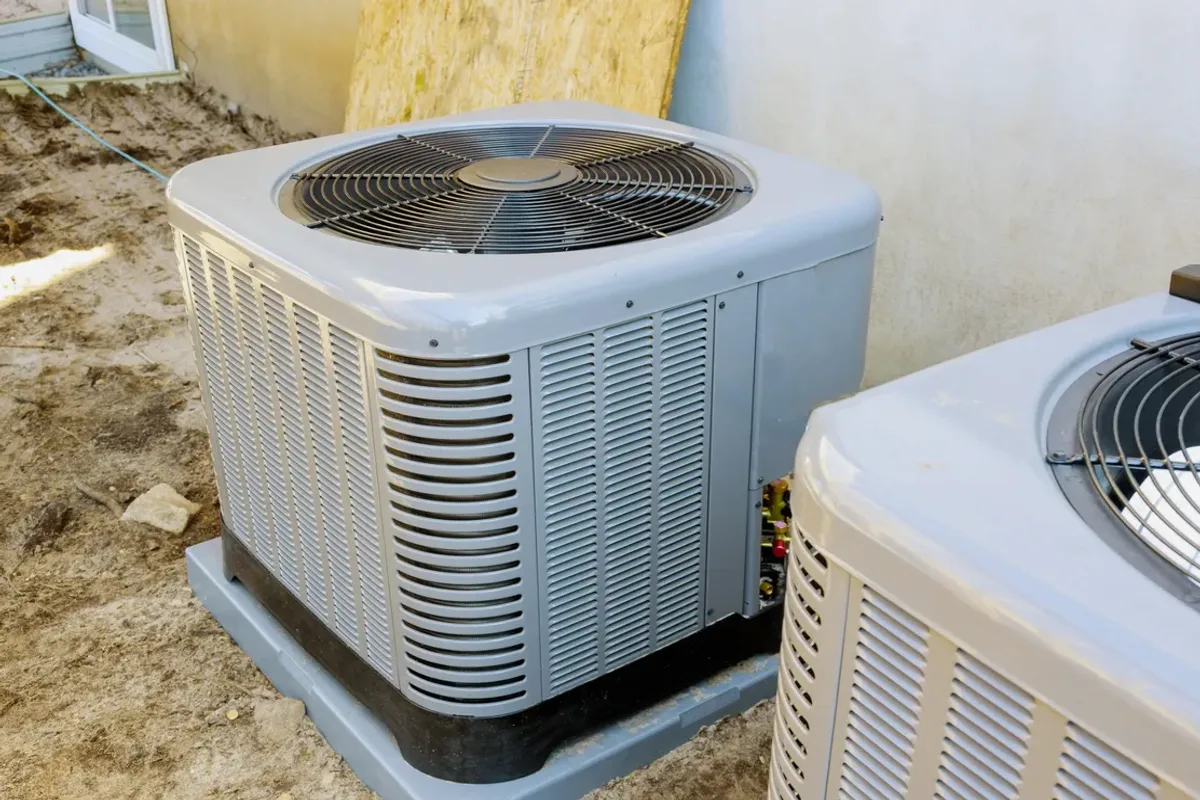
Warm air, weak cooling, unusual noise, or a system that will not start can arise from different faults in central air conditioning and ductless equipment. The distinction matters: a central system may involve duct airflow or an outdoor condenser, while a ductless system has its own indoor head and controls. Record which units are affected, whether airflow has changed, and when the symptom appears. Refrigerant-circuit diagnosis requires appropriate service, and the equipment's age and refrigerant type can affect the repair-versus-replacement discussion.
Assessment can compare indoor and outdoor operation, airflow, coil condition, controls, and electrical starting components to locate the fault. A capacitor or contactor issue is different from a compressor problem, while weak cooling may require refrigerant-circuit testing. The equipment model and refrigerant type matter when evaluating service options, particularly for older systems using refrigerants that are being phased out.
Central and ductless cooling symptoms
Electrical, airflow, coil, and refrigerant-circuit faults
Compressor repair and refrigerant-related replacement decisions
Assessment and Scope
Questions for the Proposed Work
01
Use operating symptoms to narrow the fault
Record whether the indoor fan runs, whether the outdoor unit starts, and whether the air is warm, weak, or absent. These observations help distinguish an electrical starting fault, such as a capacitor or contactor issue, from a compressor or airflow problem. For ductless equipment, note which indoor heads are affected and whether they drip or cycle unusually. A pattern limited to one head can point to a different scope than a system-wide loss of cooling.
02
Check airflow and coils before judging capacity
Restricted airflow, dirty coils, or blocked passages can interfere with cooling, but inspection is needed to determine whether cleaning or another repair is appropriate. In a central system, duct conditions may matter; in ductless equipment, the indoor unit and its filter are part of the airflow path. If a room remains humid while cooling is weak, that observation is useful, but it does not by itself identify the refrigerant charge or prove that the equipment is oversized.
03
Compare a circuit repair with replacement options
A confirmed electrical component fault and a compressor fault can lead to very different repair scopes. Diagnosis should establish the affected part before deciding whether repair is reasonable. For older equipment, identify the refrigerant type and consider whether parts and refrigerant service remain practical; phase-out status can influence that comparison. Replacement is a separate decision based on the system's condition and suitability, not an automatic response to one service fault.
Compare the next step
Define the desired conditions in the added room when its doors are closed and the original rooms are occupied. Ask whether the proposal restores cooling equipment, changes distribution, or supplies a separate zone. Have the designer explain why that approach fits the room instead of simply increasing outdoor-unit capacity.
Do not open electrical panels or handle refrigerant. If ice, water near electrical equipment, or abnormal operation is present, stop using the affected system and request an assessment.